
I am an avid watcher of Hollywood movies, TV shows, and even Japanese anime. Over many years, I have seen almost all Hollywood movies, ranging from as old as 1960s, to the latest ones.
But instead of only watching movies for the sake of entertainment, I believe I have an eye for analyzing movie scenes, storylines, character arcs, dialogues, story structures, etc. This allows me to entertain myself when I watch movies, as well as ignite creative juices in my mind.
A classic example of such analysis is when I watched Vince GIlligan’s Breaking bad and Better call Saul tv shows. Vince Gilligan has a distinctive, unique way to how he writes a story and directs a scene. For example, the character Walter White would seem like a deranged lunatic to an outside observer, yet to us, the audience, we can exactly see why he chooses every action every step of the way, and mysteriously we find ourselves sympathazing with a ‘villain’.
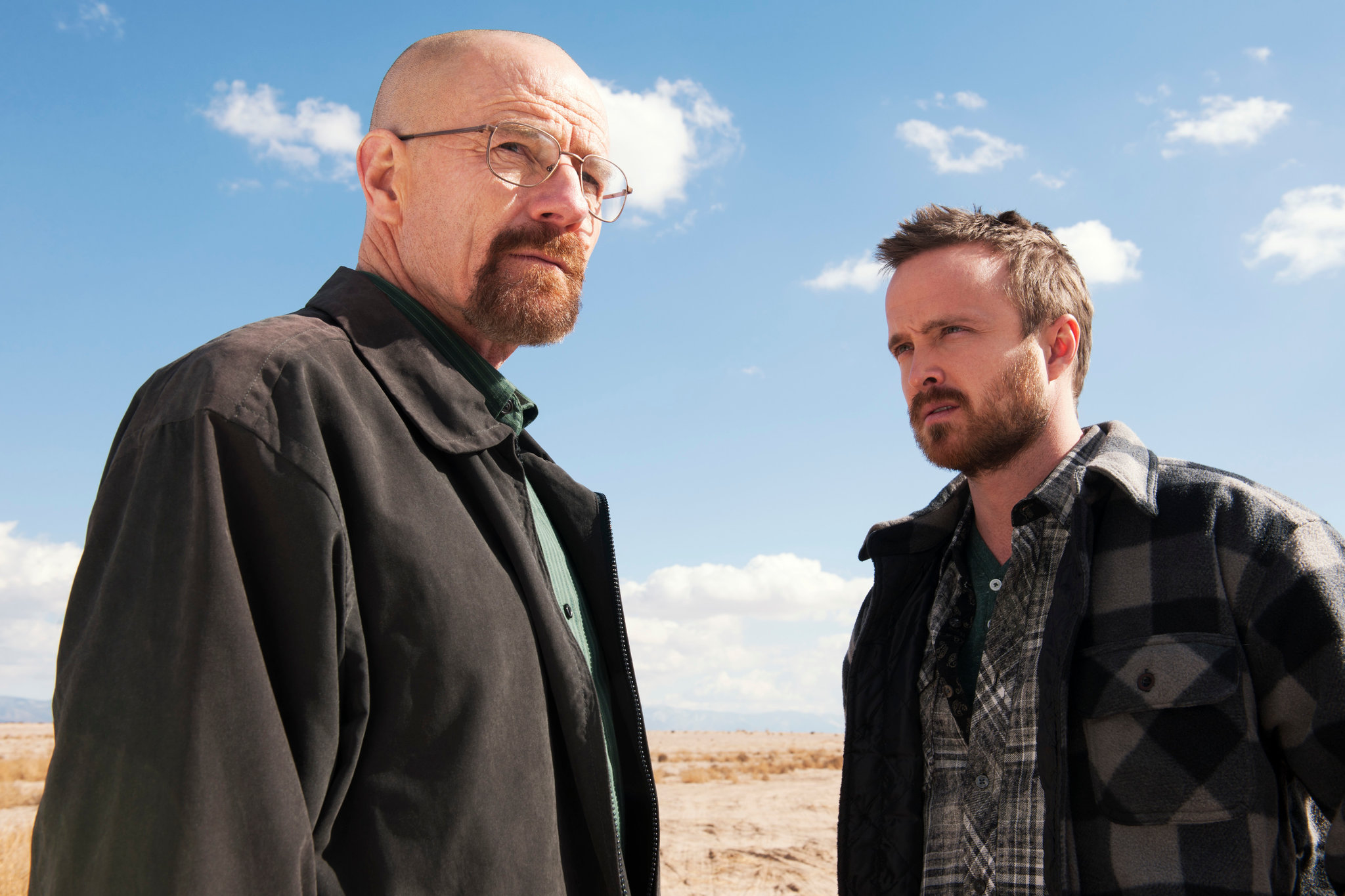
And in many scenes, the tv show sends us subtextual messages, vibes, or hidden meanings by simply focusing on, say, a fly, or some inanimate object. Yet these seemingly irrelevant objects pose as an interesting tone-setter for the rest of the story that is to come.
All these reflect moral gray areas, truly a masterpiece by Vince Gilligan.
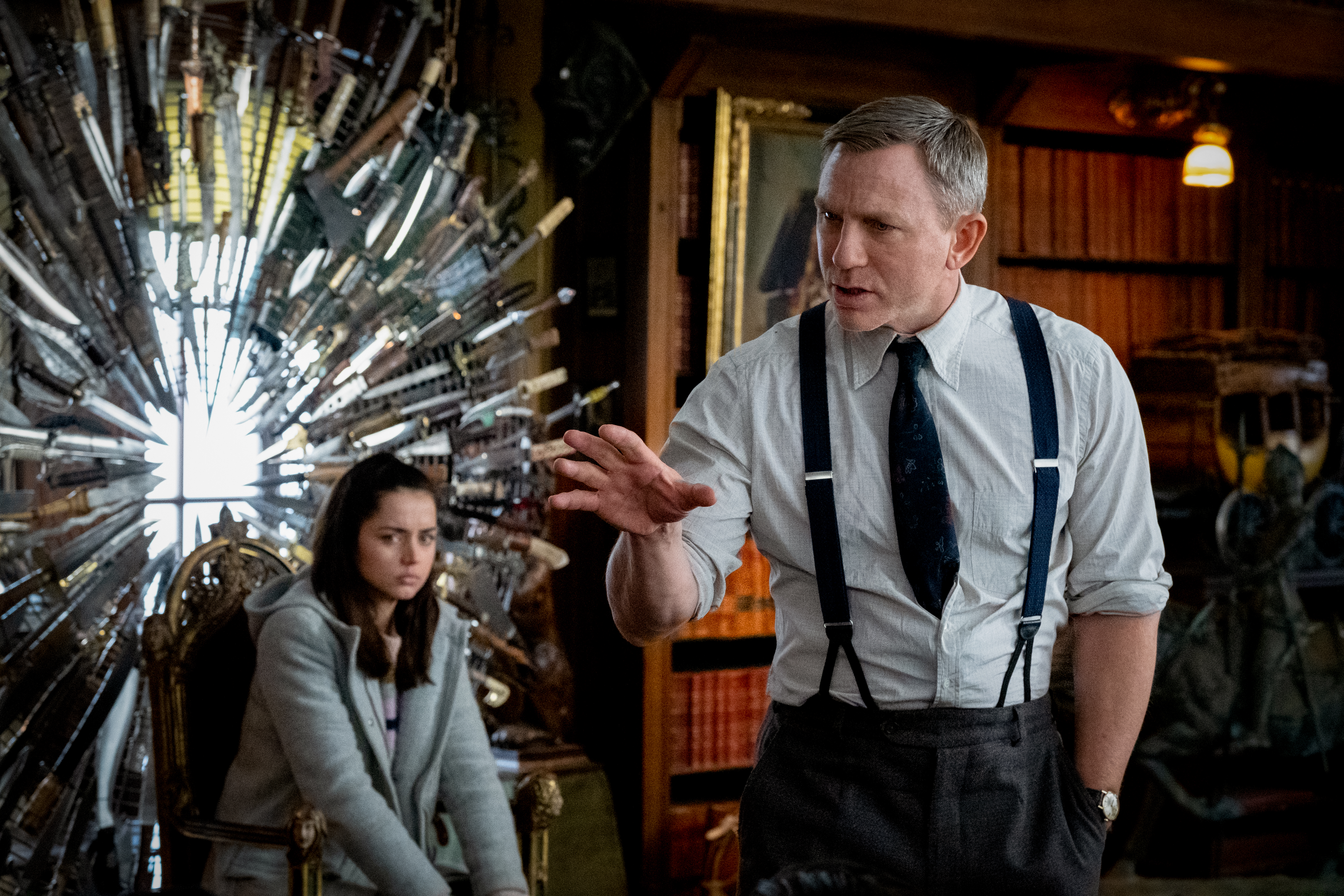
Another example of this analysis is the movie Knives Out by Ryan Johnson.
(Spoiler alert!)
This movie is too unique and special, for many different reasons. Primarily, it subverts the audience’s expectations so sharply that we get confused multiple times as to what the movie’s ending will actually be. Normally in crime stories, a murder happens, the detective interrogates various suspects, and we see the whole story unfold gradually until eventually, iin the end, the detective announces his methods of solving to everyone and finally reveals who the killer was. Not in Knives Out though. The whole story is sliced into different parts and themes, and in part 1 the movie tells us that the least likely suspect(Marta Cabrera) is responsible for the death of the victim.
However, we are later shown that there is more than meets the eye. Someone else is working in the shadows, manipulating every evidence, and every situation.
This is what makes this movie’s writing so damn good.
You can see a director/writer’s essence behind each movie or tv show. Every director/writer has a unique way of structuring a story, a scene, dialogues, characters, music, other thematic elements, etc.
You can even see how important this is, by the way a TV show will drop in quality once a main writer leaves the show. You can see such a drastic change in the tv show Dexter, which is so good in the first 1-4 seasons, but once the original storywriters leave it, the story quickly loses its original essence from season 5 onwards.
I believe that amongst all time great directors( David Fincher, Christopher Nolan, Martin Scorsese, Wes Anderson), I enjoy analyzing Quentin Tarantino’s movies the most.
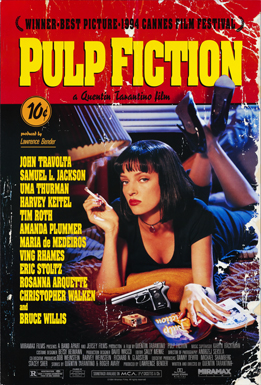
He splits his movies in multiple chapters, and each chapter has a rise and fall( climax, etc) that is perfectly localized, enabling him to direct a movie that could be non-linear as well. And due to this structure, the audience could start rooting for multiple characters ( spread across different chapters), resonate with them and follow their journey, even if these characters have conflicting goals. In Pulp fiction, there are no clear “winner” or “loser” characters. Because in one chapter, a character may experience the story’s climax and “win” in his own way, but in the previous chapter, that character dies!
And yet, Tarantino manages to weave together a brilliant, suspense-filled story with beautiful writing, amazing in-depth dialogues, and complex characters.
I believe David Fincher’s Fight CLub is a masterpiece in storywriting and film directing as well, but I can’t write anything about it here because major spoiler alert.